Colorado Parks and Wildlife Reports 15% Increase in Human-Bear Conflicts in 2025 - Trash Remains Top Cause
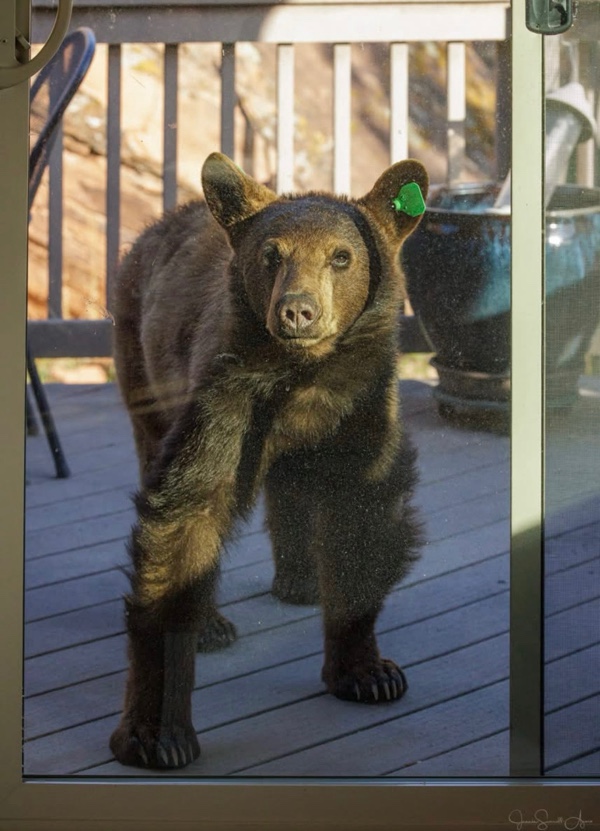
Description: Young bear investigates a screen door in early spring 2025. Photo Credit Jeanie Sumrall-Ajero. Colorado Parks and Wildlife received 5,299 bear sighting and conflict reports in 2025 — a 15% increase over recent years. Most incidents were linked to unsecured trash, bird feeders, and livestock. CPW urges residents to follow BearWise tips to prevent conflicts. Read the Full Press Release from CPW...

Colorado saw an increase in human-bear conflicts in 2025
DENVER — Colorado Parks and Wildlife received 5,299 reports of sightings and conflicts with bears in 2025, which is 15% higher than the previous 6 years. Trash continues to be the number one source of conflicts between humans and bears.
Of the 5,299 reports CPW received in 2025, 2,448 resulted in property damage to a shed, garage, home, vehicle, fence, etc. Over 57% were linked to trash, 18% to livestock, chickens and beehives, and 16% to bird seed, pet food, barbeque grills, coolers and refrigerators.
[WATCH] Progression map shows reported bear activity across Colorado in 2025
CPW bear reporting system
In 2019, CPW launched a bear reporting system to help wildlife managers track and quantify bear activity and conflicts across the state. The data collected is used to see overall trends and identify sources of conflict on a localized, regional and statewide level. Since its implementation in April 2019, CPW has recorded 32,212 reports of sightings and conflicts with bears.
The data from the annual bear cycle informs CPW’s wildlife managers where bears are at and what they are up to, helping CPW identify sources of conflict and make educated management decisions. If you see a bear causing trouble in an urban area, call CPW to report it.
Recapping bear reports from 2025
There are an estimated 17,000 to 20,000 bears in Colorado and every year the majority of incident reports involve bears trying to access human food sources. 2025 was no different with trash continuing to be the number one source of conflicts. Other constant sources of conflict included birdfeeders, livestock and bears accessing open garages and other human-originated items that are left unsecured. These conflicts could all easily be reduced if the public takes some simple steps around their homes and properties to prevent bears from accessing them.
Nature and human behavior play a role in the amount of bear activity that we see annually. Drought conditions and other factors that may influence the availability of natural food crops for bears, such as a late freeze, vary across the state, as does the behavior of people when it relates to human-bear interactions.
In 2025, Colorado experienced varying levels of human-bear conflicts, with some areas seeing increases while others saw declines. Natural food conditions were inconsistent across the state, influenced by localized droughts, late frosts, and variable precipitation. Some regions, particularly those with poor acorn and berry production, reported increased bear activity in residential areas, leading to property damage and vehicle collisions. Trash management remains a leading factor in human-bear interactions, with unsecured garbage, bird feeders, and improperly stored food continuing to attract bears. While educational initiatives and community efforts have helped mitigate some issues, the need for improved coexistence practices, including securing attractants and reinforcing bear-proofing measures, remains critical.
Report bear sightings and conflicts to CPW
One concern CPW is aware of from the public is a reluctance to report bear activity over a belief it will lead to the bear being put down. Data shows that of the 5,229 reports wildlife managers received on bears in 2025, only 1.47% led to euthanization. The vast majority led to wildlife officers getting involved early enough to prevent the need to euthanize a bear.
When CPW is made aware, especially when conflicts first begin, wildlife officers can educate the community, make site visits to homes to help them secure attractants and can haze bears in an attempt to reinforce their natural fear of humans. In some circumstances, wildlife officers can attempt to relocate bears out of conflict areas to alleviate safety concerns or before that animal's behavior escalates to a dangerous level which may require euthanization. However, wildlife officers stress relocation is not a fix-all solution as there is no way to unteach a bear once it learns that homes, garages or vehicles might contain food.
Below is the number of reports and bears euthanized and relocated by CPW annually since 2022:
2025: 5,299 reports, 52 relocated, 78 euthanized
2024: 5,022 reports, 68 relocated, 98 euthanized
2023: 3,528 reports, 33 relocated, 63 euthanized
2022: 4,293 reports, 59 relocated, 94 euthanized
Live BearWise®. Keep bears wild.
As a member of BearWise, CPW encourages everyone to share BearWise information with their neighbors and communities to help prevent conflicts with bears. CPW asks all residents and visitors to help save Colorado’s bears by being actively bear prepared throughout the year. Human-bear conflicts are most often traced back to human behavior. Living BearWise is the most effective way to prevent human-caused conflicts with bears.
Six At-Home BearWise Basics
-
Never Feed or Approach Bears - Intentionally feeding bears or allowing them to find anything that smells or tastes like food teaches bears to approach homes and people looking for more. Bears will defend themselves if a person gets too close, so don’t risk your safety and theirs!
-
Secure Food, Garbage and Recycling - Food and food odors attract bears, so don’t reward them with easily available food, liquids or garbage.
-
Remove Bird Feeders When Bears Are Active - Birdseed and grains have lots of calories, so they’re very attractive to bears. Removing feeders is the best way to avoid creating conflicts with bears.
-
Never Leave Pet Food Outdoors - Feed pets indoors when possible. If you must feed pets outside, feed in single portions and remove food and bowls after feeding. Store pet food where bears can’t see or smell it.
-
Clean & Store Grills - Clean grills after each use and make sure that all grease, fat and food particles are removed. Store clean grills and smokers in a secure area that keeps bears out.
-
Alert Neighbors to Bear Activity - See bears in the area or evidence of bear activity? Tell your neighbors and share information on how to prevent conflicts with bears. Bears have adapted to living near people; now it’s up to us to adapt to living near bears.
For more information on bears in Colorado, visit cpw.state.co.us/living-bears. If you have questions or need to report bear problems, call your nearest CPW office.
Related Content:
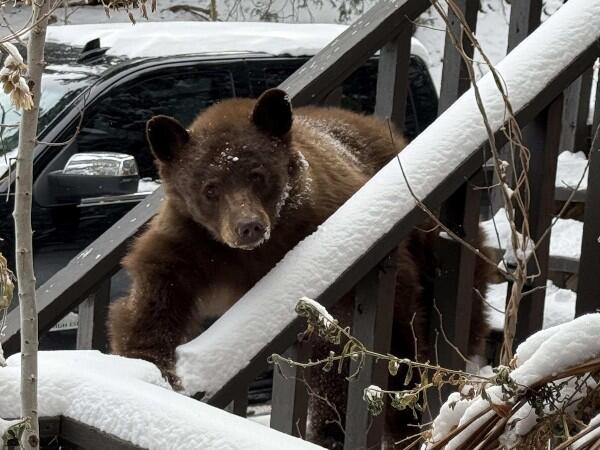
CPW Offers $1 Million in Grants to Help Colorado Communities Reduce Human-Bear Conflicts
Follow SECO News on Facebook.
Subscribe to the SECO News YouTube Channel.
Press releases Sponsor





.jpg)


.png)

.png)











.png)