Colorado Fishing Licenses for 2026–2027 Now on Sale
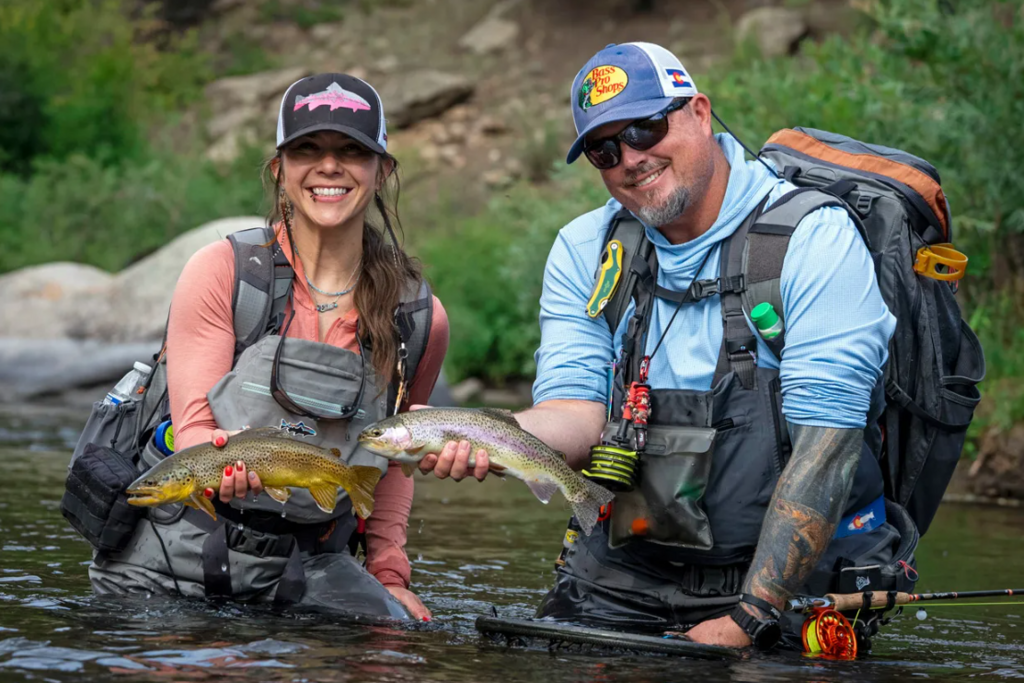
Description: Colorado Parks and Wildlife is now selling 2026–2027 fishing licenses, valid March 1, 2026, through March 31, 2027. Youth 15 and under fish free. Buy online, by phone, or in person and support hatcheries, fish stocking, and conservation statewide.

Sponsored by:

seconews.org/ArkansasValleyLumber
Colorado fishing licenses are now available for the 2026-2027 season
DENVER – Colorado Parks and Wildlife (CPW) is now selling fishing licenses for the 2026-2027 fishing season.
Fishing licenses are valid from March 1, 2026, through March 31, 2027 (13 months). Regulations and pricing for annual, daily and multi-day fishing licenses are available in the new 2026 Colorado Fishing Brochure (Pesca en Colorado En Español). Youth aged 15 and under fish for free.
Anglers can purchase a license online at cpwshop.com, by phone at 1-800-244-5613, in-person at a CPW office or through a sales agent. CPW also offers specialty licenses and passes for veterans, people with disabilities, seniors, income eligible residents and first responders.
“By purchasing a fishing license, anglers play a crucial role in funding Colorado's fishery management, supporting hatcheries and fish stocking operations,” said CPW Assistant Director for Aquatic Wildlife Matt Nicholl. “Balancing outdoor recreation with mindful conservation, the anglers in our state make significant contributions to the maintenance of recreational fishing opportunities in Colorado’s rivers, streams and lakes, and protect the needs of native, non-game aquatic species.
Anglers who buy a fishing license also pay a $1.25 Colorado Backcountry Search and Rescue (BSAR) fee that funds local search-and-rescue teams and volunteers. While these organizations are county-based and coordinated through county sheriff offices, CPW provides support and funding from the statewide level.
Colorado offers unrivaled opportunities to fish over 35 species (both warm and cold-water fish) in some of the most scenic bodies of water. Fish anywhere in 6,000 miles of streams and over 1,300 lakes and reservoirs. To find fishing locations, stocking reports and resources, visit cpw.state.co.us/fishing
Colorado now offers a new category of fishable waters (in addition to Gold Medal Waters): Colorado Quality Waters. CPW fish management biologists have identified and nominated the waters based on fish sampling records, creel surveys and professional biological assessments.
CPW fish hatcheries play a crucial role in improving and maintaining Colorado’s fish populations. Currently, CPW operates 19 fish hatcheries, where over 90 million fish are bred, hatched, reared, and stocked each year. Some hatchery fish enhance angling opportunities, an essential part of the state’s economy, contributing $1.9 billion annually. Others are critical to the recovery efforts of native species.
"CPW biologists, hatchery staff, and volunteers will soon be spawning fish from wild brood waters to replenish our walleye and saugeye fisheries,” said CPW Deputy Assistant Director Josh Nehring. "Our hatcheries also stock the Front Range waters with trout while water temperatures remain cool for added angling opportunities."
CPW fisheries biologists are now providing the public with online survey summaries by water. The collected data is used to track fish population trends, evaluate the effectiveness of management actions such as stocking and regulations, and establish realistic management goals for a given lake or stream.
With zebra mussels discovered in 2024 on the Colorado River and additional detections in 2025, CPW’s Aquatic Nuisance Species (ANS) section continues to ask non-motorized recreation users to be a pain in the ANS and “clean, drain and dry” fishing gear to prevent the spread of aquatic nuisance species in Colorado’s waters. CPW has installed Gear and Watercraft Cleaning Stations at state parks, state wildlife areas and river access points.
“The spread of zebra mussels and other aquatic nuisance species poses a significant threat to our rivers, lakes, and reservoirs,” said Invasive Species Program Manager Robert Walters. “What people may not realize is these invasive species can severely damage ecosystems, fisheries and water infrastructures, which can impact hydropower production, clog irrigation pipes for agricultural producers, and even impact our drinking water.”
Join Colorado’s vibrant fishing community by participating in upcoming fishing classes, events, seminars and tournaments listed on the CPW Event Calendar. Subscribe to the CPW Fishing eNews for monthly fishing news, stocking reports and fishery surveys.
Follow SECO News on Facebook.
Subscribe to the SECO News YouTube Channel.
Press releases Sponsor





.jpg)


.png)

.png)











.png)