E. Coli Levels Remain Elevated in Arkansas River Following Pueblo Sewage Spill

Description: Public health officials report elevated E. coli downstream of the Pueblo sewage spill and continue advising people and pets to avoid Arkansas River water through John Martin Reservoir...

Public health releases E. coli testing data following Pueblo sewage spill
The Colorado Department of Public Health and Environment, in coordination with local partners, is releasing updated water quality testing results following the recent release of untreated sewage into the Arkansas River.
To ensure communities have real-time access to testing data and safety guidance, CDPHE is standing up a dedicated data webpage. Testing will continue this week, and this webpage will be updated as new sample results are confirmed.
Water Testing Results:
Recent testing confirms that E. coli levels remain significantly elevated downstream of the spill site. For context, the state standard for safe swim beach access is 235 colony-forming units (CFU) per 100 mL. Numbers above 2,419 CFU are reported as “>2,419 CFU” because they exceed the maximum limit testing equipment can process.
Thursday, Aug. 27 Sampling:
-
Upstream: 64.4 CFU/100 mL (Normal)
-
Downstream (Baxter Road): >2,419 CFU/100 mL
Friday, Aug. 28 Sampling:
-
Upstream: 28.8 CFU/100 mL (Normal)
-
Downstream (Baxter Road): 1,119.9 CFU/100 mL
-
Downstream (Nyborg Road): >2,419 CFU/100 mL
Ongoing Recreational Advisory:
-
The recreational water advisory remains strictly in effect. People and pets should avoid all contact with the water in the Arkansas River from where Fountain Creek enters the river, continuing all the way through and including John Martin Reservoir. This spans areas near Blende, Avondale, Fowler, Manzanola, Rocky Ford, La Junta, and Las Animas. This includes a pause on swimming, wading, tubing, kayaking, and fishing.
Public Information Webpage:
-
Residents, agricultural partners, and recreational users are encouraged to visit the public information webpage to easily track the movement of the spill, view the latest lab results, and know exactly when the advisory is lifted. We remain committed to transparent, rapid communication until water quality returns to safe, normal levels.
Related Content
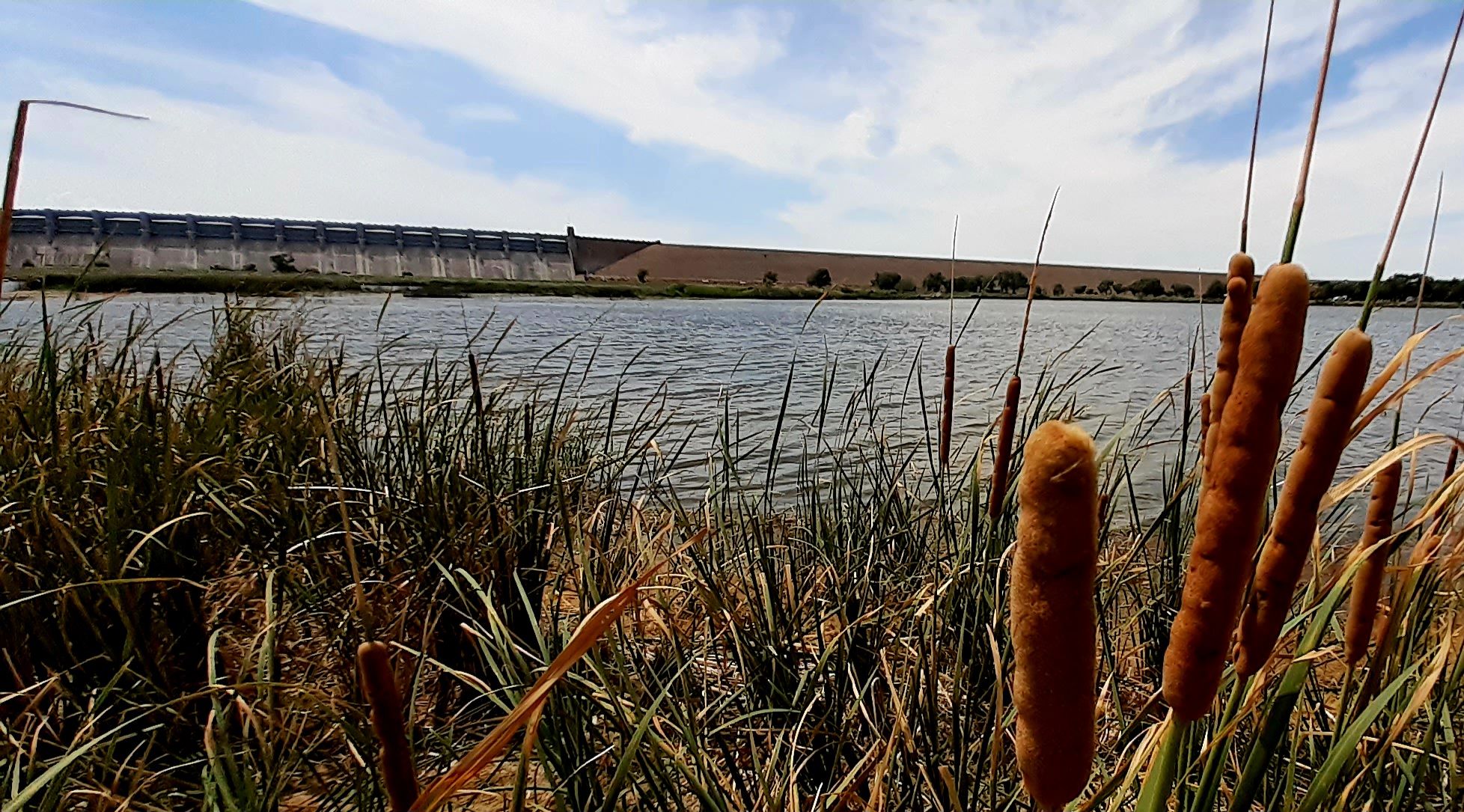 CPW Issues Water Contact Advisory at John Martin Reservoir as Pueblo Sewage Spill Moves Downstream
 4.25 Million Gallons of Untreated Sewage Accidentally Released into Arkansas River in Pueblo
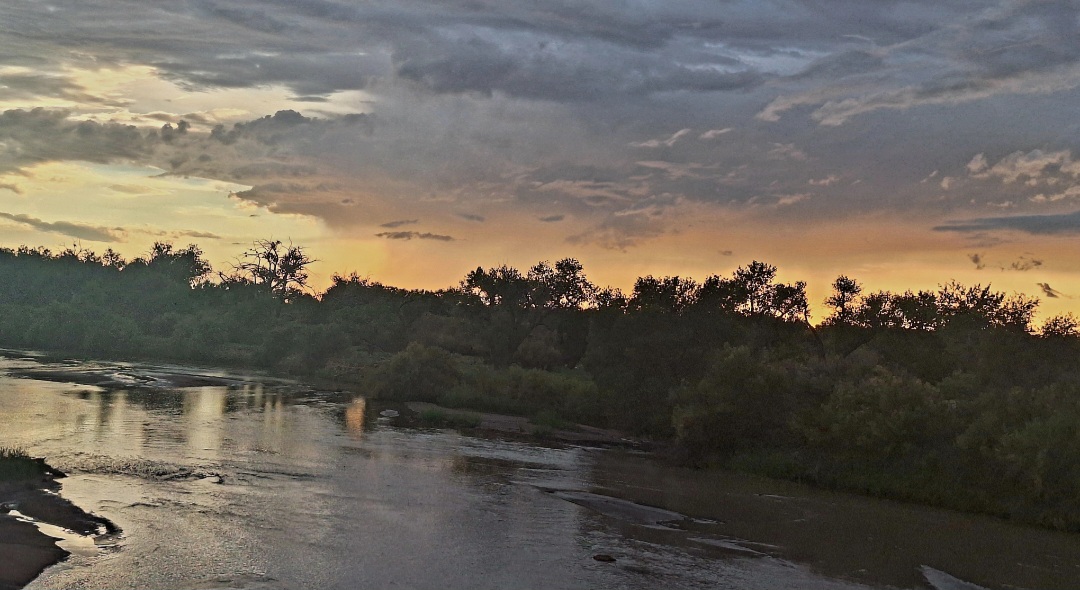 Pueblo Public Health Warns Residents to Avoid Arkansas River After Sewage Spill
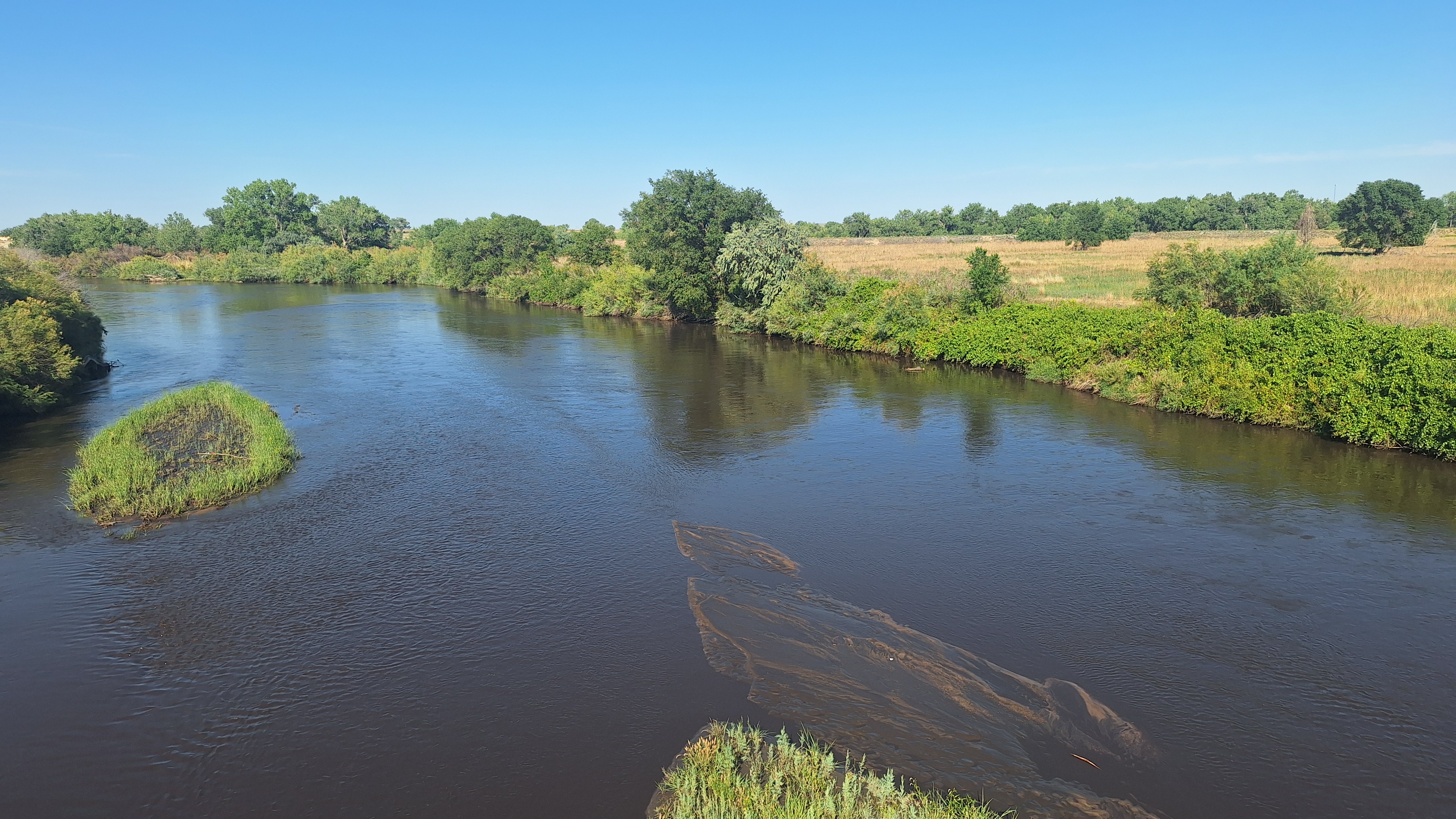 Pueblo Sewage Spill Prompts Arkansas River Recreation Warning - La Junta Drinking Water Safe
Follow SECO News on Facebook.
Subscribe to the SECO News YouTube Channel.
Healthcare Sponsor




.jpg)


.png)

.png)











.png)