CPW Warns of Seasonal Spike in Avian Flu as Migrating Birds Arrive in Colorado; Public Urged to Avoid Sick Wildlife
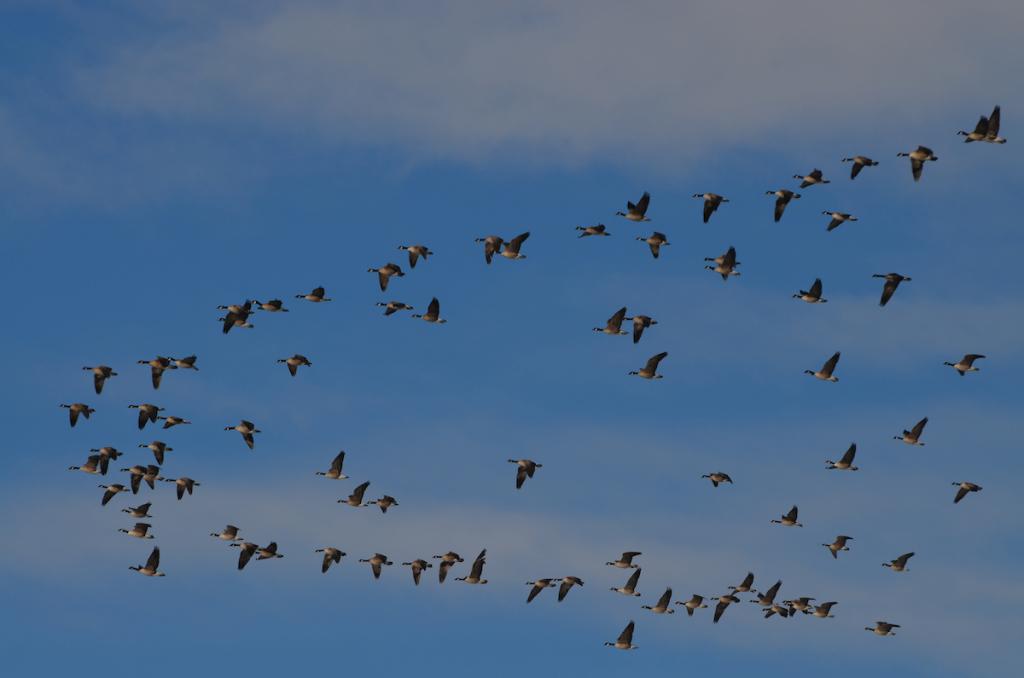
Description: Colorado Parks and Wildlife expects increased cases of highly pathogenic avian influenza (HPAI) this fall and winter and urges residents to avoid sick or dead birds and mammals. Learn the signs of HPAI, safety precautions, and when to contact CPW.

Colorado Parks and Wildlife reminds public of seasonal increase in highly pathogenic avian influenza cases
DENVER — As migrating bird populations begin to travel through Colorado during late fall and winter, Colorado Parks and Wildlife expects an increase in wild birds infected with highly pathogenic avian influenza (HPAI) and reminds residents to avoid sick wildlife. Waterfowl and shorebirds are particularly susceptible to HPAI transmission as they are known to gather in large numbers around bodies of water, which encourages the spread of the virus.
HPAI and low pathogenic avian influenza exist naturally in bird species. A strain of HPAI called H5N1 was identified in North America in 2021 to 2022. The strain was confirmed in Colorado in March 2022. H5N1 causes high mortality rates in wild and domestic birds with no known cure or treatment.
Birds infected with HPAI may appear to be moving slowly, swimming in circles, unable to fly, have a lack of coordination, swollen head, head tilting or found deceased. CPW will test sick or dead birds for the presence of HPAI when appropriate or when large die-offs are found in a new location. The public is encouraged to contact CPW if three or more birds exhibit HPAI symptoms or are found dead in the same localized area.
"This strain of HPAI has the potential to cause large-scale die-offs in wild bird populations as we progress into winter,” said CPW State Wildlife Veterinarian Dr. Peach Van Wick. “However, more commonly in Colorado, we receive reports of small scale mortality events. Since the beginning of fall, CPW has confirmed the diagnosis of HPAI in fewer than 20 birds, one black bear and one bobcat, though this is likely an underestimation of the number of affected animals on the landscape."
Wild mammals have tested positive for HPAI in Colorado and can show similar signs like walking in circles, lack of coordination or appearing lethargic. These neurological symptoms are also consistent with rabies, which poses a significant public health risk. The public is urged to never approach a mammal acting abnormally and contact CPW. Domestic animals, such as cats and dogs, can be infected with HPAI. Pet owners should prevent pets from consuming or interacting with sick or dead wildlife. If pet owners suspect an exposure to avian influenza, please contact a veterinarian.
Although extremely rare, humans may be infected with HPAI. To avoid exposure to the virus, never handle sick or dead wild birds, and do not approach wildlife. CPW encourages waterfowl hunters to wear proper protection while handling or processing wild game, disinfect equipment thoroughly, keep wild carcasses away from domestic poultry and pets, and cook game to an internal temperature of 165 degrees.
“CPW does not recommend handling sick or dead wildlife. If necessary, wear disposable gloves, protective clothing, eye protection, a fitted face mask and double bag the carcass,” said Dr. Van Wick. “Contact CPW as soon as possible for further instruction.”
More information about HPAI and human transmission can be found from the Center for Disease Control and the Colorado Department of Public Health and Environment. The Colorado Department of Agriculture (CDA) is the main responding agency for the virus in domestic bird populations, including backyard chickens, and dairy cattle. CDA also provides more information about the ongoing outbreak at ag.colorado.gov/hpai. Veterinarians, producers and hobby poultry owners should report any suspicious disease events in domestic poultry flocks to the State Veterinarian’s office at 303-869-9130 or use the online form.
Related Content:
Follow SECO News on Facebook.
Subscribe to the SECO News YouTube Channel.
Press releases Sponsor




.png)


.png)















.png)


.png)







